Coral Runway IeJima: A Strategic Reset for IndoPacific Readiness
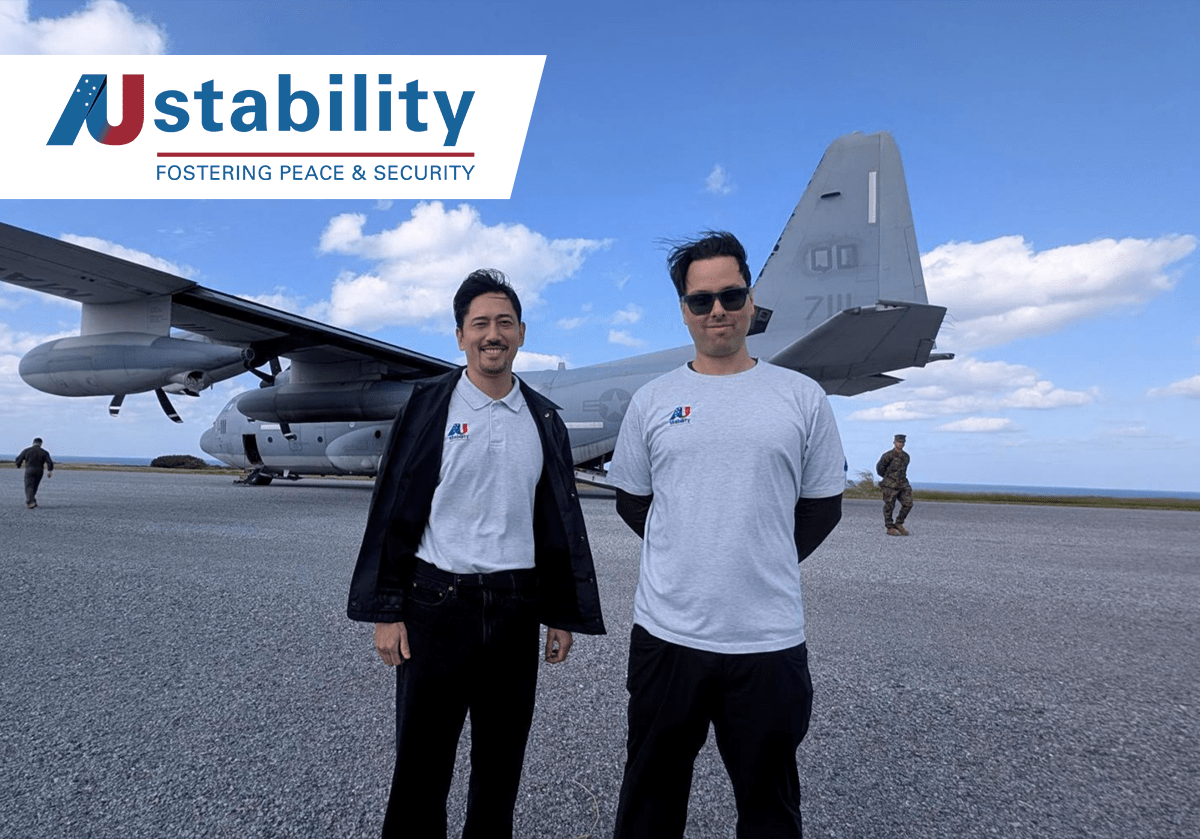
US Marine Corps Installations Pacific reopened the Ie Shima Auxiliary Airfield at a ribboncutting ceremony this week, returning the IndoPacific’s only Marine Corps expeditionary runway to full operations after a twoyear repair program.
By: Trent Park, Director of Operations – Austability Japan
Austability Japan is proud to have played a small role in the reconstruction of the runway, as part of our mission to foster peace and security – given this work will make a tangible boost to training and readiness of one of our most important partners.
The rebuilt runway replaces older concrete sections with multiple layers of aggregate stone, a design chosen to accelerate repair cycles and extend service life under austere, hightempo conditions. The project, completed between April 1 and October 10, 2025, cost approximately $15 million, and was part of a broader “complete reset” of the airfield.
Operationally, the reopening restores the primary drop zone for parachute training under U.S.–Japan agreements, reducing reliance on Kadena’s Ridout DZ where monthly jumps had been drawing the ire of residents. The reset directly eases pressure on Kadena Air Base while reinstating a safer, purposebuilt location for airborne and expeditionary drills.
Beyond parachute operations, Ie Shima supports KC130J assaultlanding practice and VTOL/rotarywing activity—capabilities repeatedly exercised by Marine Aircraft Group units and the 31st MEU. These activities are central to expeditionary advanced base operations (EABO), forward arming and refueling point (FARP) establishment, and rapid CASEVAC scenarios that underpin deterrence and crisis response across the region.
OUR ROLE
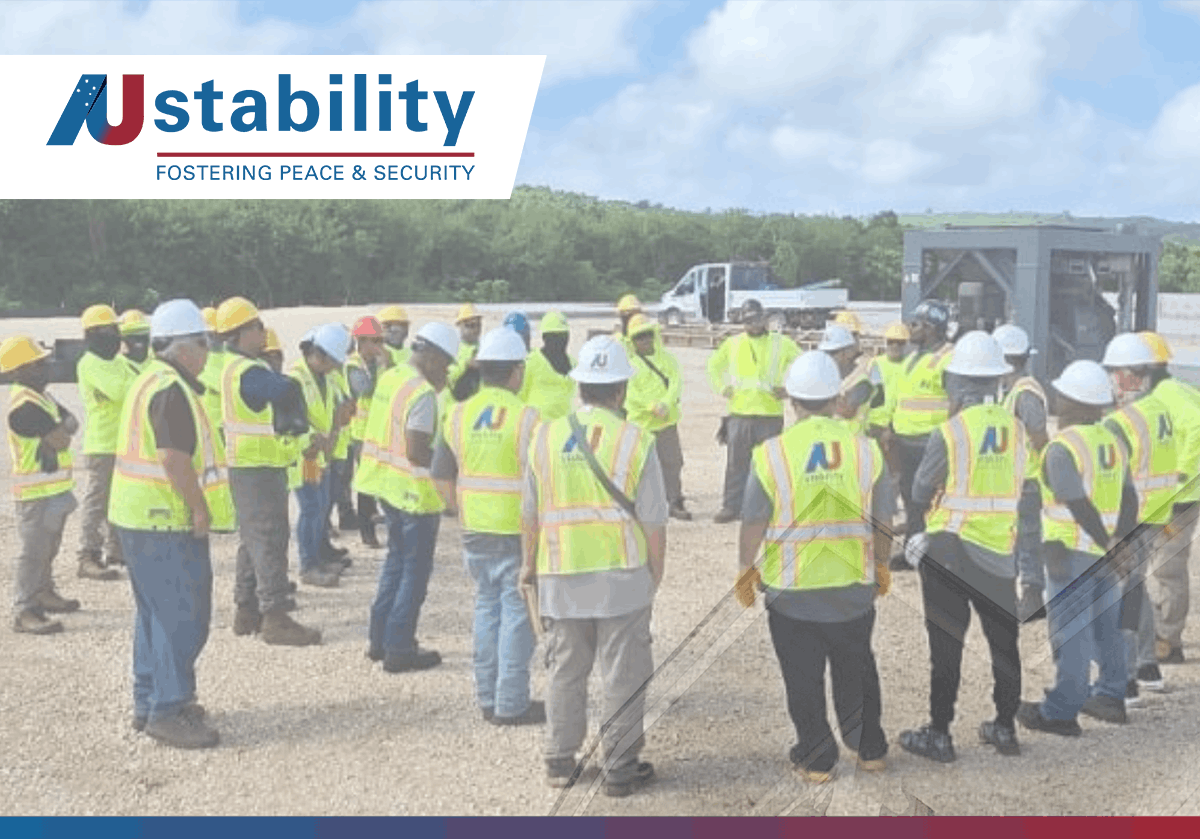
Austability Japan provided heavy equipment support to enable the runway work—an example of our Resource Acquisition & Sustainment (RAAS) capability that delivers missioncritical base operational support in austere environments. RAAS is designed for expeditionary installations, integrating logistics, equipment, soft/hard facilities management, and sustainment to help allied forces operate at tempo and scale.
Our mission – to foster peace and security – is directly served by facilitating infrastructure that enables rapid deployment, joint training, and interoperability across Five Eyes partners and the broader allied network. From a practical standpoint, the Ie Shima reset strengthens maritime domain awareness, distributed operations, and airfield seizure/FARP drills that are foundational to EABO and IndoPacific deterrence
A runway might look like concrete (or coral) and lights but it is, in effect, a capability multiplier. In the IndoPacific, where distances are vast and sea lines of communication are being contested, the ability to move, train, refuel, and evacuate from austere locations is what turns strategy into stability. The Marine Corps’ only expeditionary runway in the IndoPacific is thus a vital mechanism for rapid crisis response, humanitarian aid/disaster relief readiness, and deterrence through visible, routine, allied integration.
CONCLUSION
The reopening of Ie Shima’s coral runway demonstrates how purposebuilt, resilient infrastructure underwrites operational credibility. By contributing heavy equipment support and standing ready via RAAS, we at Austability are helping ensure that U.S. Armed Forces and Five Eyes partners can train, deploy, and sustain operations that are seeking to foster peace and security across the Indo-Pacific.